

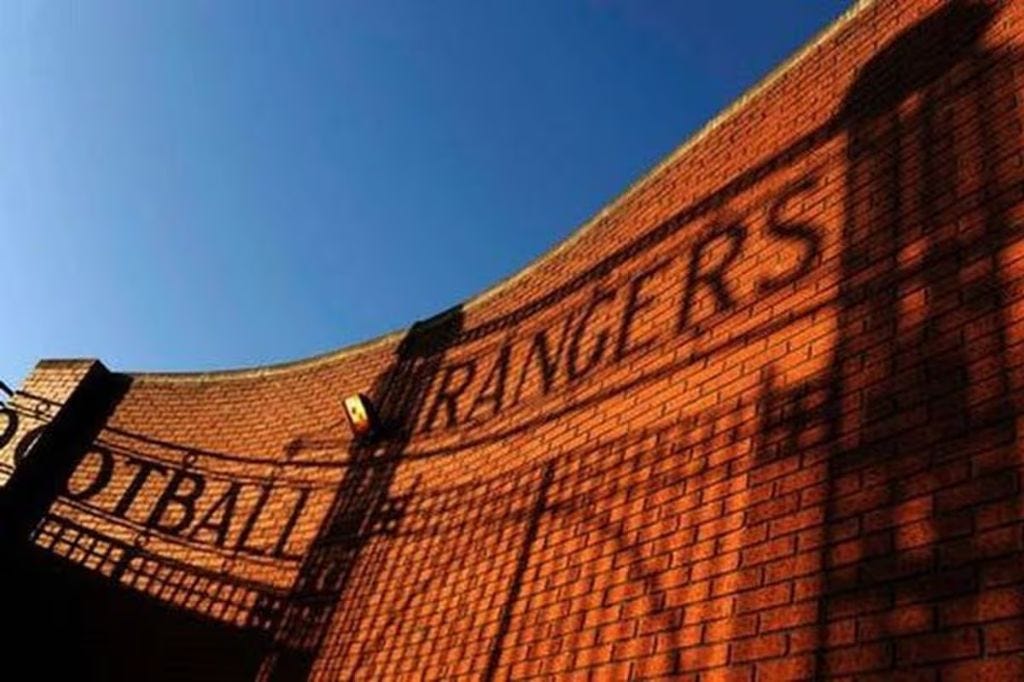
Rangers have spent around £80 million on players in the space of 12 months, yet the Ibrox club is still repaying a £3.2 million Covid loan issued in 2021 from the Scottish Government in instalments which doesn’t end until 2042. At a time when Rangers are gambling heavily on recruitment to end Celtic’s domestic dominance, the optics of a publicly-backed pandemic loan being paid back at the same instalments as smaller clubs are difficult to ignore.
The figures, released under Freedom of Information legislation, show that Rangers borrowed £3.2 million during the Covid-19 crisis. By 30 September 2026, they had repaid £653,333 only, leaving £2,546,667 outstanding - even more galling is the fact that since March 2025, the Ibrox side had only paid back £240,000 - while spending tens of millions on players.
Across the 11 SPFL clubs which took government support, £25,262,000 was loaned out. Just £4,317,983 had been repaid by the end of September 2026, leaving £20,944,017 still due.
A Loan Designed for Survival
There is no argument that the loans were necessary at the time to help. Football was shut down, matchday income disappeared and clubs across Scotland faced a genuine threat to their existence. The Scottish Government stepped in when private lenders would not, with Celtic the only top-flight club not to take a loan.
But the scheme was emergency support, not a permanent subsidy. It was designed to keep clubs alive through an unprecedented crisis. Five years on, the question is whether the repayment structure should still treat Rangers - a club now spending tens of millions on transfers - in the same way as clubs operating on a fraction of their budget.
Rangers’ Spending Changes the Argument
Rangers’ recruitment drive has been on an entirely different scale. Around £80 million spent on players within a 12-month period place the club’s outlay at roughly 25 times its remaining Covid loan balance.
Aberdeen still owe £2,482,204, Hibernian £2,293,592 and Motherwell £2,354,871. Rangers owe £2,546,667, barely more than clubs whose entire financial model is built on far smaller revenues. Yet Rangers received the most amount from the COVID loan scheme unlike the other clubs.
The issue is not that Rangers took the loan. It is that a club capable of committing £80 million to player trading within a year is still servicing pandemic-era public debt over a schedule that runs to 2042.
Should Rangers Pay It Back Early?
The moral and political case for early repayment is strong. Rangers are not a struggling community club fighting for survival, like Hamilton Accies - who have just paid £20,000 back towards the £1.151 million they owe. They are one of Scottish football’s two dominant institutions, with enormous commercial reach, a global supporter base and the financial capacity to fund an aggressive transfer strategy. If Rangers can spend £80 million on players, they can clear a £2.5 million government loan taken from the public purse.
Paying the debt off would remove an unnecessary burden on the public purse, allow the Scottish Government to redirect attention and resources elsewhere. It would draw a clear line between emergency Covid support and ordinary commercial borrowing. It would also remove any obvious reputational question mark over Rangers’ spending spree. It would also send a message that the Ibrox club understands the difference between needing public assistance and simply preferring to spread out a debt it could easily settle.
The Government’s Terms Deserve Scrutiny
The Scottish Government must also answer questions. The FOI response confirms that the clubs and government retained the right to renegotiate the agreements, including the timing and amount of repayments, to allow flexibility based on performance and final league positions.
That flexibility may have been sensible during the pandemic. But it creates a glaring weakness now. Why should a club the size of Rangers be permitted to repay public money on the same gradual timetable as Aberdeen, Hibernian, Motherwell or Hamilton Accies when its transfer spending demonstrates that it has no comparable liquidity problem?
The government should not be in the business of offering soft repayment terms to football clubs simply because they are football clubs. If a club can afford £80 million of player investment, the state should be asking why it is not accelerating repayment of a Covid loan at a time where families across Scotland are struggling with the cost of living crisis, while public services are cutting services to save money where they can.
A Question of Priorities
Rangers will argue that football finance does not work in neat moral equations. Transfer fees are often structured over time, player sales can offset spending, and cash flow is not the same as profit. That is fair. But none of that changes the central point - Rangers have chosen to make an enormous financial commitment in an attempt to win the Scottish Premiership. If that commitment is genuine, then settling a relatively small public debt should be part of it.
The Covid loan was a lifeline. It should not become a low-interest convenience for a club now operating in a different financial universe to the other clubs who received help. Rangers should pay it off - in full, and now.
Clearly, Rangers & its owners should consider it a moral imperative to repay the Covid loan early. Legally? They don't have to. My issue is as much with the Scottish government. Why offer interest-free loans over a 20 year period anyway? 20 years! Plus, they've agreed to Livingston & Dundee United extending the loan period until 2043, Hamilton until 2049. Maybe our intrepid MSM should ask the question directly to Rangers that you've asked, Andy.
Nice work Andy.