

Back in the pre-internet haze of the 1990s, Celtic fans armed with pens, papers, and staplers birthed the fanzine era. Titles like Not the View and The Alternative View, captured raw passion – match reports laced with wit, boardroom rants, and player sketches that the official club mag could never touch. These were labour-of-love zines hawked outside Paradise, unfiltered voices from the terraces challenging the old guard’s grip. Fast-forward three decades, and that DIY spirit has exploded into a digital powerhouse - sites like A Celtic State of Mind, The Celtic Blog, The Celtic Star, VideoCelts, podcasts such as 90 Minute Cynic, 20 Minute Tims, and even individual vlogs giving their views on YouTube. Celtic fan media isn’t just surviving; it’s thriving, outpacing the club’s own output with sharper analysis, deeper insights, and content that actually resonates.
This rise mirrors a global shift. Liverpool’s The Anfield Wrap went from pub chats to a million-download juggernaut, partnering with the club for exclusive access while staying fiercely independent. Arsenal fans tune into Arsecast for nuanced breakdowns that Sky Sports can’t match. At Celtic, fans have a plethora of blogs, podcasts, youtube channels to get their fix from that the club can’t scratch. These outlets, often run by one-man bands or small dedicated teams, produce broadcast-quality work on shoestring budgets – subscriptions from £5/month, Patreon donations, or ad revenue keeping the lights on.
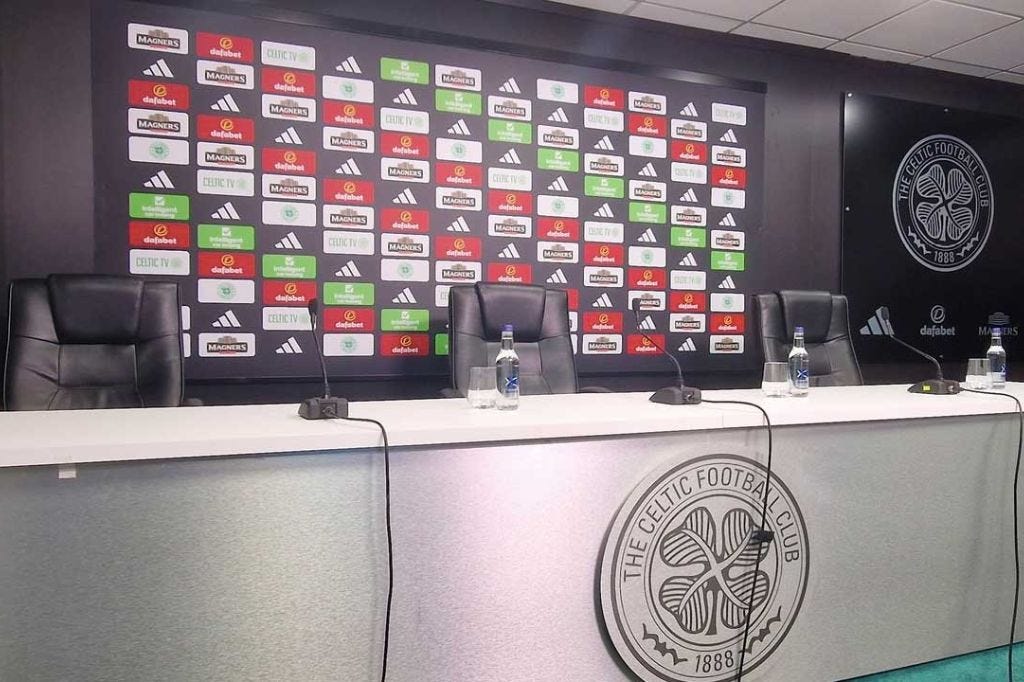
Contrast that with Celtic FC’s machine - a subscription service fronted by Gerry McCulloch, dishing out the same PR-scripted fluff. New signing interviews? Mundane nods to “hard work” and “the gaffer.” Board Q&As? Deflections on transfer deals, on the lack of investment in the stadium concourse. Manager briefings? Sanitised soundbites. It’s inferior product masquerading as premium, overpriced at the £50/year standard subscription and thats before you factor in pay per view games, bleeding fans dry while delivering zero edge. Fan media, meanwhile, serves what supporters crave - unvarnished truth, whether it’s calling out transfer flops, governance rot, or tactical sclerosis. I’d fork over cash to fan media any day of the week over Celtic TV’s delayed match highlights, poor analysis, and boring commentary that fans are subjected to week in week out.
So why the freeze-out? It’s not just sour grapes over critical sites like Video Celts or ACOSM lampooning the hierarchy or the current Celtic Fan Collective boycott. Deeper, it’s cold hard capitalism, the board sees every pixel about Celtic as a monetisation opportunity, controlling the narrative to spin negatives into “process” wins. Collaborate on pre-match analysis with A Celtic State of Mind? Risk fans hearing “We’re short on quality signings.” Exclusive player Q&As via fan pods? Players might slip on fan frustrations. Live briefings? Unpredictable passion could derail the approved script. Instead, Celtic keeps fan media locked out - when other clubs around the world welcome them in the door - pushing official channels that prioritise polished PR over pulse. They want to control the story – boycotts become “minority,” protests “disruptive” – while fan media amplifies the real levels.
This current disconnect between the club and supporters hurts everyone. Celtic’s current media model is to extract as much as they can from Celtic fans by spending as little as possible, further alienating the very fanbase that snaps up over 50000 season tickets each year and sell out Celtic Park regularly. Manchester United pivoted to they embraced The United Stand for co-branded content, boosting engagement without surrendering oversight. Barcelona streams fan-led shows on their app, turning critics into allies. Celtic could fund A Celtic State of Mind for heritage docs or Cynic for youth or women’s football scouting breakdowns – collaborative gold that elevates the brand, fills coffers via shared subs, and rebuilds trust and engagement amid boycotts.
The hierarchy’s grip chokes the club’s soul. Fan media isn’t the enemy; it’s the evolution fanzines promised – superior, passionate, fan-first. By refusing to partner or to even give them access, Celtic doesn’t protect its narrative; it cedes the conversation, watching pod downloads soar while official views flatline. Embrace it, co-produce, share access, co-monetise. Fans would pay more for the quality content that they want, not bland content approved by the board and its head of PR. The fans revolution started in fanzines during the 80s and 90s; now it’s podcasts and vlogs. Time for Celtic to embrace it, welcome it, not block it, not ban it. Celtic supporters deserves content as electric as the atmosphere they create on match days.
Fantastic article...right on the money.
Reminds me of my faded youth.in tne 70s when music fanzines completely upended the traditional music industry by stealth ...the authentic voice of fans on the street.
London (Road) calling!
(one for the teenagers there!)
Excellent observation